
Happy Chinese New Year to everyone who is celebrating!
Author: antoniorennvick
Happy Independence Day 2024

May the pride and glory of being a Sri Lankan fill your heart with happiness today and always.
Happy Independence Day!
#Independenceday #srilanka
Happy Pongal 2024

As the festival of Pongal arrives, we want to send good wishes to you. May the warmth of the sun bless you with positivity and endless joy. Happy Pongal!
#Pongal2024
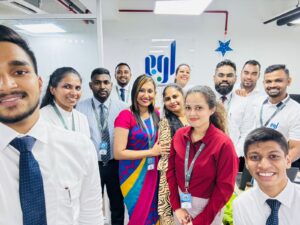
Our first day at work in 2024

A fresh start, new opportunities to learn, grow, and make an impact in the industry. All of us at Envio Global Logistics (PVT) LTD are ready to make the most of 2024. Bring it on!













Happy 2024

Out with the old, in with the new! To all our colleagues and partners, a very happy 2024.
#NewYear2024 #EnvioGlobalLogistics
Envio on News: Transforming your Logistics Business
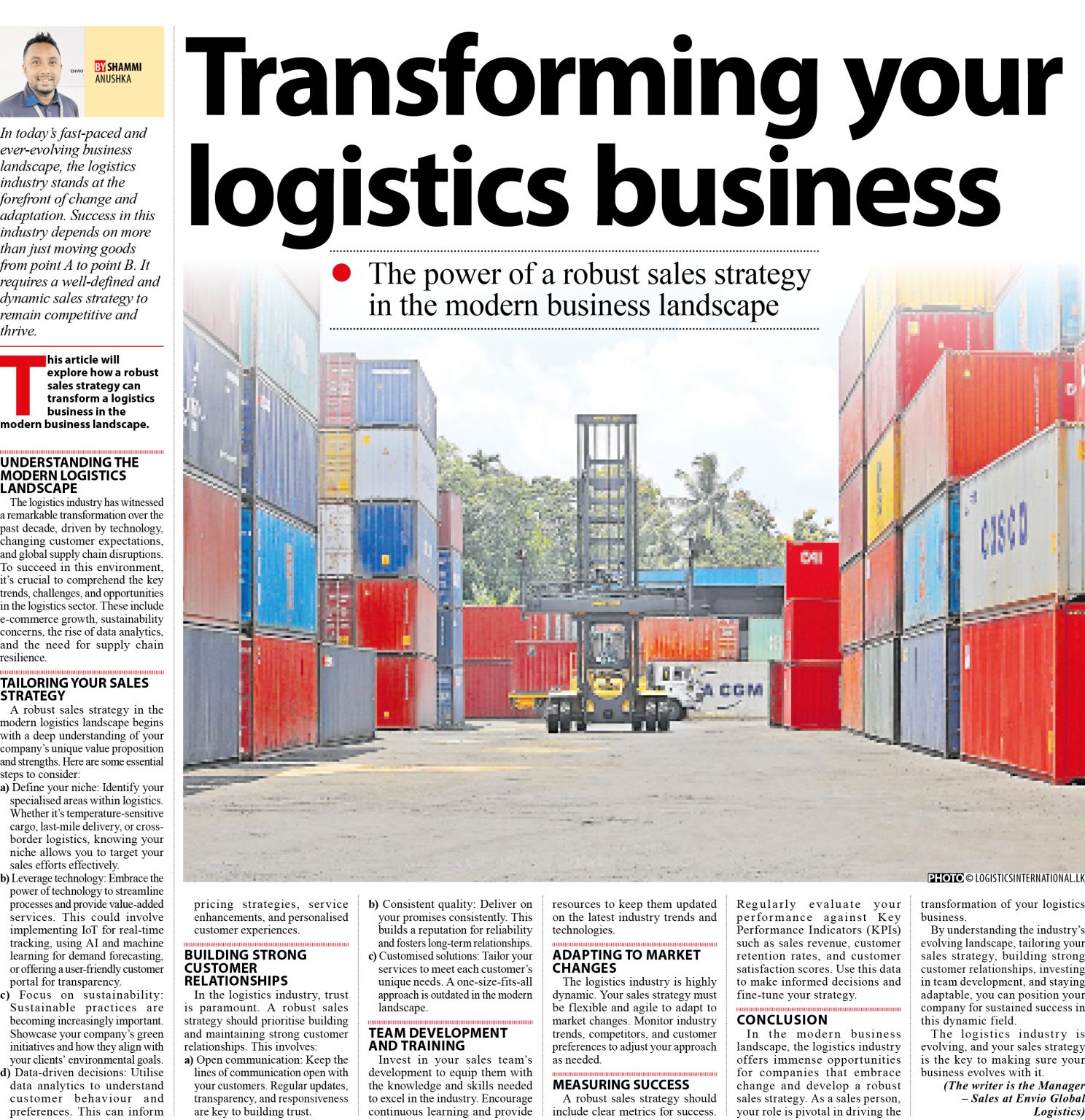
The Morning recently shared the insightful article written by Shammi Anushka on redefining sales in the logistics sector.
Full story here – https://lnkd.in/gcA73s5z
Merry Christmas to you from all of us at Envio

May your heart be light, your celebrations be joyful, and your time with loved ones be filled with warmth and laughter. Wishing you a holiday season full of love, peace, and happiness!
Transforming Your Logistics Business: The Power of a Robust Sales Strategy in the Modern Business Landscape

In today’s fast-paced and ever-evolving business landscape, the logistics industry stands at the forefront of change and adaptation. Success in this industry depends on more than just moving goods from point A to point B. It requires a well-defined and dynamic sales strategy to remain competitive and thrive. In this article, we’ll explore how a robust sales strategy can transform a logistics business in the modern business landscape.
1. Understanding the Modern Logistics Landscape
The logistics industry has witnessed a remarkable transformation over the past decade, driven by technology, changing customer expectations, and global supply chain disruptions. To succeed in this environment, it’s crucial to comprehend the key trends, challenges, and opportunities in the logistics sector. These include e-commerce growth, sustainability concerns, the rise of data analytics, and the need for supply chain resilience.
2. Tailoring Your Sales Strategy
A robust sales strategy in the modern logistics landscape begins with a deep understanding of your company’s unique value proposition and strengths. Here are some essential steps to consider:
a. Define Your Niche: Identify your specialized areas within logistics. Knowing your niche allows you to target your sales efforts effectively, whether it’s temperature-sensitive cargo, last-mile delivery, or cross-border logistics.
b. Leverage Technology: Embrace the power of technology to streamline processes and provide value-added services. This could involve implementing IoT for real-time tracking, using AI and machine learning for demand forecasting, or offering a user-friendly customer portal for transparency.
c. Focus on Sustainability: Sustainable practices are becoming increasingly important. Showcase your company’s green initiatives and how they align with your clients’ environmental goals.
d. Data-Driven Decisions: Utilize data analytics to understand customer behaviour and preferences. This can inform pricing strategies, service enhancements, and personalized customer experiences.
3. Building Strong Customer Relationships
In the logistics industry, trust is paramount. A robust sales strategy should prioritize building and maintaining strong customer relationships. This involves:
a. Open Communication: Keep the lines of communication open with your customers. Regular updates, transparency, and responsiveness are key to building trust.
b. Consistent Quality: Deliver on your promises consistently. This builds a reputation for reliability and fosters long-term relationships.
c. Customized Solutions: Tailor your services to meet each customer’s unique needs. A one-size-fits-all approach is outdated in the modern landscape.
4. Team Development and Training
Invest in your sales team’s development to equip them with the knowledge and skills needed to excel in the industry. Encourage continuous learning and provide resources to keep them updated on the latest industry trends and technologies.
5. Adapting to Market Changes
The logistics industry is highly dynamic. Your sales strategy must be flexible and agile to adapt to market changes. You can monitor industry trends, competitors, and customer preferences to adjust your approach as needed.
6. Measuring Success
A robust sales strategy should include clear metrics for success. Regularly evaluate your performance against key performance indicators (KPIs) such as sales revenue, customer retention rates, and customer satisfaction scores. Use this data to make informed decisions and fine-tune your strategy.
Conclusion
In the modern business landscape, the logistics industry offers immense opportunities for companies that embrace change and develop a robust sales strategy. As a salesperson, your role is pivotal in driving the transformation of your logistics business. By understanding the industry’s evolving landscape, tailoring your sales strategy, building strong customer relationships, investing in team development, and staying adaptable, you can position your company for sustained success in this dynamic field. The logistics industry is evolving, and your sales strategy is the key to ensuring your business evolves.
World Forwarders Conference 2023

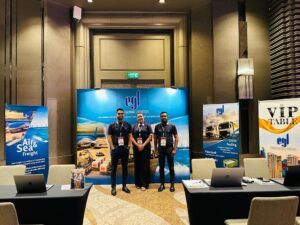
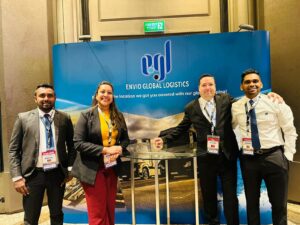
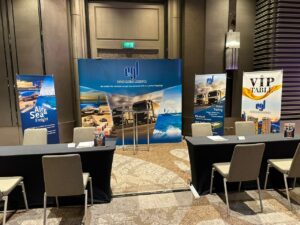
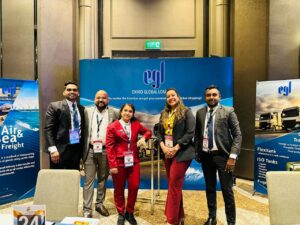
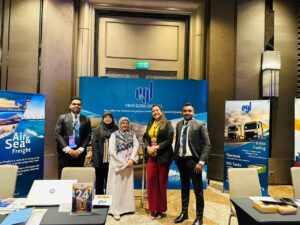
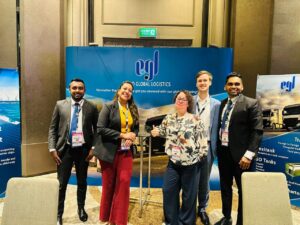
Our CEO, Thilina Siriwardena, and our senior management participated in the World Forwarders Conference. The team met with a diverse range of industry stakeholders, where they had the opportunity to engage in productive and fruitful networking in a professional, relaxed, close-knit environment.
Thank you, World Forwarders Conference, for this amazing opportunity!




Navigating the Future: Ensuring Maritime Safety, Security, and Environmental Stewardship

Every year, on the last Thursday of September, we come together to observe World Maritime Day—a day dedicated to recognizing the vital role that maritime transport plays in global trade, as well as the importance of ensuring maritime safety, security, and the well-being of our marine environment. For the logistics industry and EGL, this occasion holds profound significance, as we rely heavily on the seas for the smooth flow of goods worldwide.
This Year’s Theme
“MARPOL at 50 – Our commitment goes on” has been selected as the upcoming theme for the International Maritime Organization’s (IMO) 2023 World Maritime Theme, which will culminate in a World Maritime Day celebration on 28 September next year.
As explained, the theme reflects the organization’s long history of protecting the environment from the impact of shipping via a robust regulatory framework and emphasizes its ongoing commitment to this important work.
The theme spotlights the International Convention for the Prevention of Pollution from Ships (MARPOL), which covers the prevention of pollution of the marine environment by ships from operational or accidental causes.
Maritime Safety: A Non-Negotiable Imperative
Safety at sea is a fundamental principle in the maritime industry. It is the foundation upon which our global trade networks are built. It encompasses the well-being of seafarers, the integrity of vessels, and the safety of cargo. Ensuring the highest safety standards in our operations is not just a commitment but an obligation. By prioritizing maritime safety, we protect lives and livelihoods while safeguarding the reputation of the industry as a whole.
Maritime Security: A Global Responsibility
In an interconnected world, maritime security is paramount. The seas are not immune to threats, ranging from piracy to smuggling and terrorism. Collaborative efforts among nations, organizations, and businesses are essential to maintaining secure maritime routes. Every organization in the maritime sector should be dedicated to working closely with relevant authorities to enhance security measures, contributing to the safety and security of our maritime infrastructure.
Environmental Stewardship: Our Shared Duty
The health of our oceans is a shared responsibility. As a logistics company, EGL is fully aware of the environmental impact of our operations. We have a duty to minimize our carbon footprint, reduce emissions, and prevent pollution. Beyond compliance with regulations, we actively seek eco-friendly solutions and sustainable practices to protect the marine environment. Preserving the oceans for future generations is not just an aspiration; it’s a duty we uphold.
Innovations for the Future
The challenges we face in ensuring maritime safety, security, and environmental protection are complex, but they are not insurmountable. In fact, they serve as catalysts for innovation. Commitment to investing in cutting-edge technologies, such as clean energy solutions, eco-friendly vessel designs, and real-time monitoring systems, to enhance maritime operations while reducing our environmental impact is imperative.
Conclusion: Charting a Sustainable Course
As we mark World Maritime Day, let us reaffirm our commitment to charting a sustainable course for the future of maritime transport. This involves a dedication to safety, a resolve to enhance security, and a deep sense of responsibility toward the marine environment. At EGL, we embrace these principles not as obligations, but as the core values that guide our actions. Together with our partners, stakeholders, and the global maritime community, we will continue to shape a safer, more secure, and environmentally responsible maritime industry.
In the spirit of World Maritime Day, let us unite to celebrate our oceans, recognize their importance, and take collective action to ensure they remain a source of life, prosperity, and wonder for generations to come.