Welcome to WordPress. This is your first post. Edit or delete it, then start writing!
Month: September 2023
Navigating the Future: Ensuring Maritime Safety, Security, and Environmental Stewardship
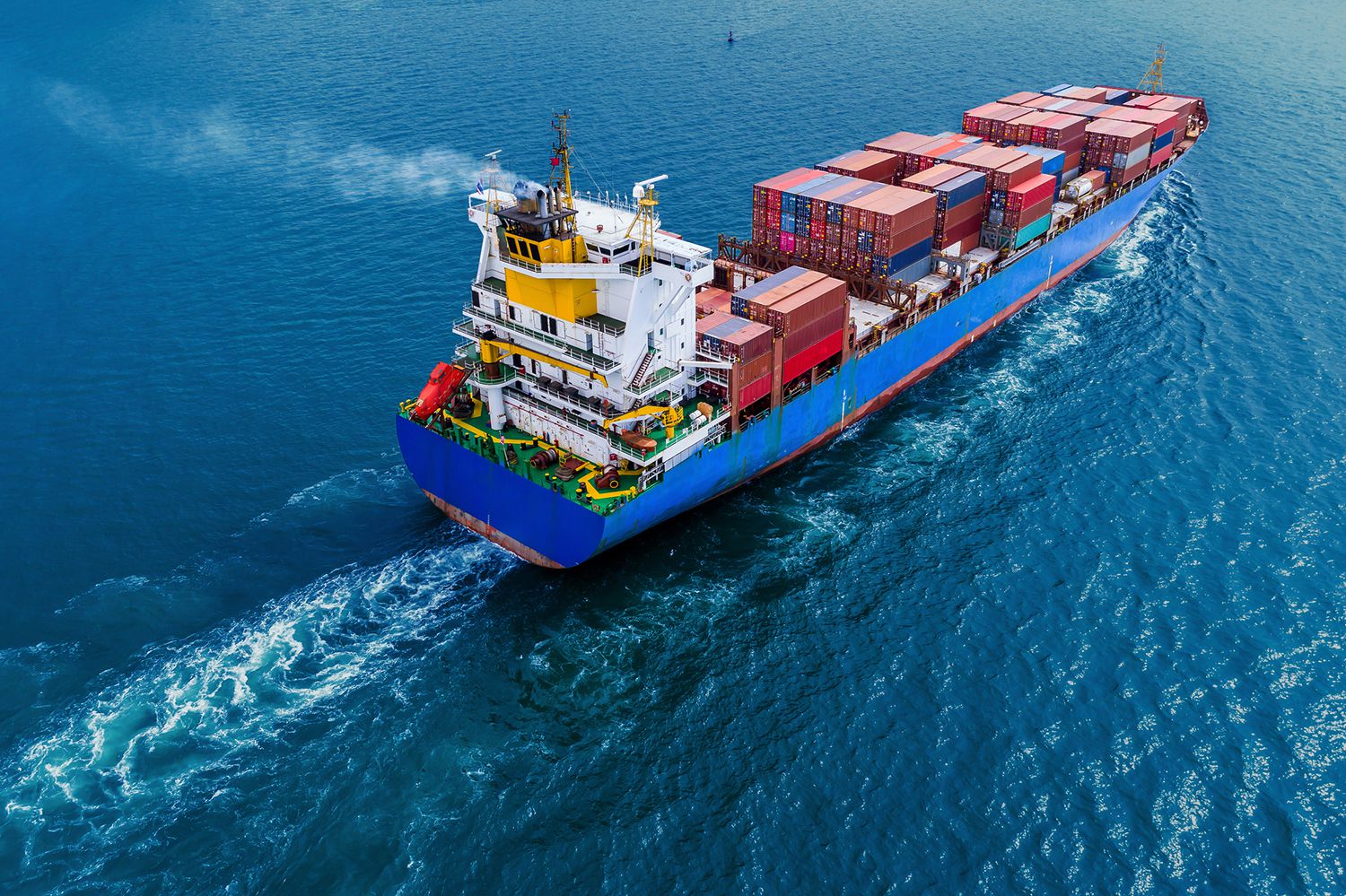
Every year, on the last Thursday of September, we come together to observe World Maritime Day—a day dedicated to recognizing the vital role that maritime transport plays in global trade, as well as the importance of ensuring maritime safety, security, and the well-being of our marine environment. For the logistics industry and EGL, this occasion holds profound significance, as we rely heavily on the seas for the smooth flow of goods worldwide.
This Year’s Theme
“MARPOL at 50 – Our commitment goes on” has been selected as the upcoming theme for the International Maritime Organization’s (IMO) 2023 World Maritime Theme, which will culminate in a World Maritime Day celebration on 28 September next year.
As explained, the theme reflects the organization’s long history of protecting the environment from the impact of shipping via a robust regulatory framework and emphasizes its ongoing commitment to this important work.
The theme spotlights the International Convention for the Prevention of Pollution from Ships (MARPOL), which covers the prevention of pollution of the marine environment by ships from operational or accidental causes.
Maritime Safety: A Non-Negotiable Imperative
Safety at sea is a fundamental principle in the maritime industry. It is the foundation upon which our global trade networks are built. It encompasses the well-being of seafarers, the integrity of vessels, and the safety of cargo. Ensuring the highest safety standards in our operations is not just a commitment but an obligation. By prioritizing maritime safety, we protect lives and livelihoods while safeguarding the reputation of the industry as a whole.
Maritime Security: A Global Responsibility
In an interconnected world, maritime security is paramount. The seas are not immune to threats, ranging from piracy to smuggling and terrorism. Collaborative efforts among nations, organizations, and businesses are essential to maintaining secure maritime routes. Every organization in the maritime sector should be dedicated to working closely with relevant authorities to enhance security measures, contributing to the safety and security of our maritime infrastructure.
Environmental Stewardship: Our Shared Duty
The health of our oceans is a shared responsibility. As a logistics company, EGL is fully aware of the environmental impact of our operations. We have a duty to minimize our carbon footprint, reduce emissions, and prevent pollution. Beyond compliance with regulations, we actively seek eco-friendly solutions and sustainable practices to protect the marine environment. Preserving the oceans for future generations is not just an aspiration; it’s a duty we uphold.
Innovations for the Future
The challenges we face in ensuring maritime safety, security, and environmental protection are complex, but they are not insurmountable. In fact, they serve as catalysts for innovation. Commitment to investing in cutting-edge technologies, such as clean energy solutions, eco-friendly vessel designs, and real-time monitoring systems, to enhance maritime operations while reducing our environmental impact is imperative.
Conclusion: Charting a Sustainable Course
As we mark World Maritime Day, let us reaffirm our commitment to charting a sustainable course for the future of maritime transport. This involves a dedication to safety, a resolve to enhance security, and a deep sense of responsibility toward the marine environment. At EGL, we embrace these principles not as obligations, but as the core values that guide our actions. Together with our partners, stakeholders, and the global maritime community, we will continue to shape a safer, more secure, and environmentally responsible maritime industry.
In the spirit of World Maritime Day, let us unite to celebrate our oceans, recognize their importance, and take collective action to ensure they remain a source of life, prosperity, and wonder for generations to come.
Redefining Customer Service in the Logistics Sector: Navigating Uncertainty with Excellence

The logistics sector faces unique challenges in today’s dynamic and unpredictable business landscape. Supply chain disruptions, shifting consumer demands, and global events can create an environment of constant change and uncertainty. In such times, redefining customer service is not just a choice; it’s a necessity. Here are some strategies to help you thrive in this era of uncertainty.
1. Proactive Communication
One of the pillars of exceptional customer service is proactive communication. In the logistics sector, where delays and disruptions can be common, keeping your customers informed is paramount. Implement robust communication channels to provide real-time updates on shipments, potential delays, and contingency plans. A proactive approach demonstrates transparency and builds trust even when facing challenges.
2. Data-Driven Decision Making
In an uncertain environment, data becomes your guiding light. Leverage advanced analytics and data-driven insights to anticipate disruptions, identify bottlenecks, and optimize your logistics operations. By making informed decisions, you can better respond to changing customer needs and market conditions, ultimately enhancing the customer experience.
3. Agility and Flexibility
Uncertainty demands adaptability. Your logistics team should be agile and ready to pivot when circumstances change. This may involve redesigning routes, sourcing alternative suppliers, or adjusting inventory levels. The ability to adapt swiftly ensures that your customers receive their goods as promised, even when facing unforeseen challenges.
4. Focus on Customer-Centric Solutions
In times of uncertainty, it’s crucial to prioritize customer-centric solutions. Listen to your customers’ concerns and needs, and tailor your logistics services accordingly. Offer flexible delivery options, expedited services, and easy return processes to accommodate changing customer preferences and requirements.
5. Invest in Technology
Modern technology is a game-changer in logistics. Embrace cutting-edge solutions such as IoT, blockchain, and AI to enhance visibility, traceability, and overall efficiency. These technologies streamline operations and provide valuable data for continuous improvement.
6. Empower and Train Your Team
Your customer service team is on the front lines of delivering excellence. Invest in their training and development to equip them with the skills needed to navigate uncertainty effectively. Encourage a culture of continuous learning and problem-solving.
7. Build Strategic Partnerships
Collaboration is key in uncertain times. Forge strong partnerships with suppliers, carriers, and other stakeholders in your logistics ecosystem. Together, you can navigate challenges more effectively and find innovative solutions to common problems.
Conclusion
Redefining customer service in the logistics sector during an era of uncertainty requires a proactive, data-driven, and customer-centric approach. By focusing on communication, agility, technology, and strategic partnerships, you can weather the storm and emerge stronger and more resilient. In doing so, you’ll provide value to your customers and establish your organization as a leader in the ever-evolving logistics landscape.
Remember, uncertainty is not a hindrance—it’s an opportunity for growth and innovation. Embrace it, and you’ll redefine customer service in ways that set you apart in logistics.
World Forwarders Conference 2023
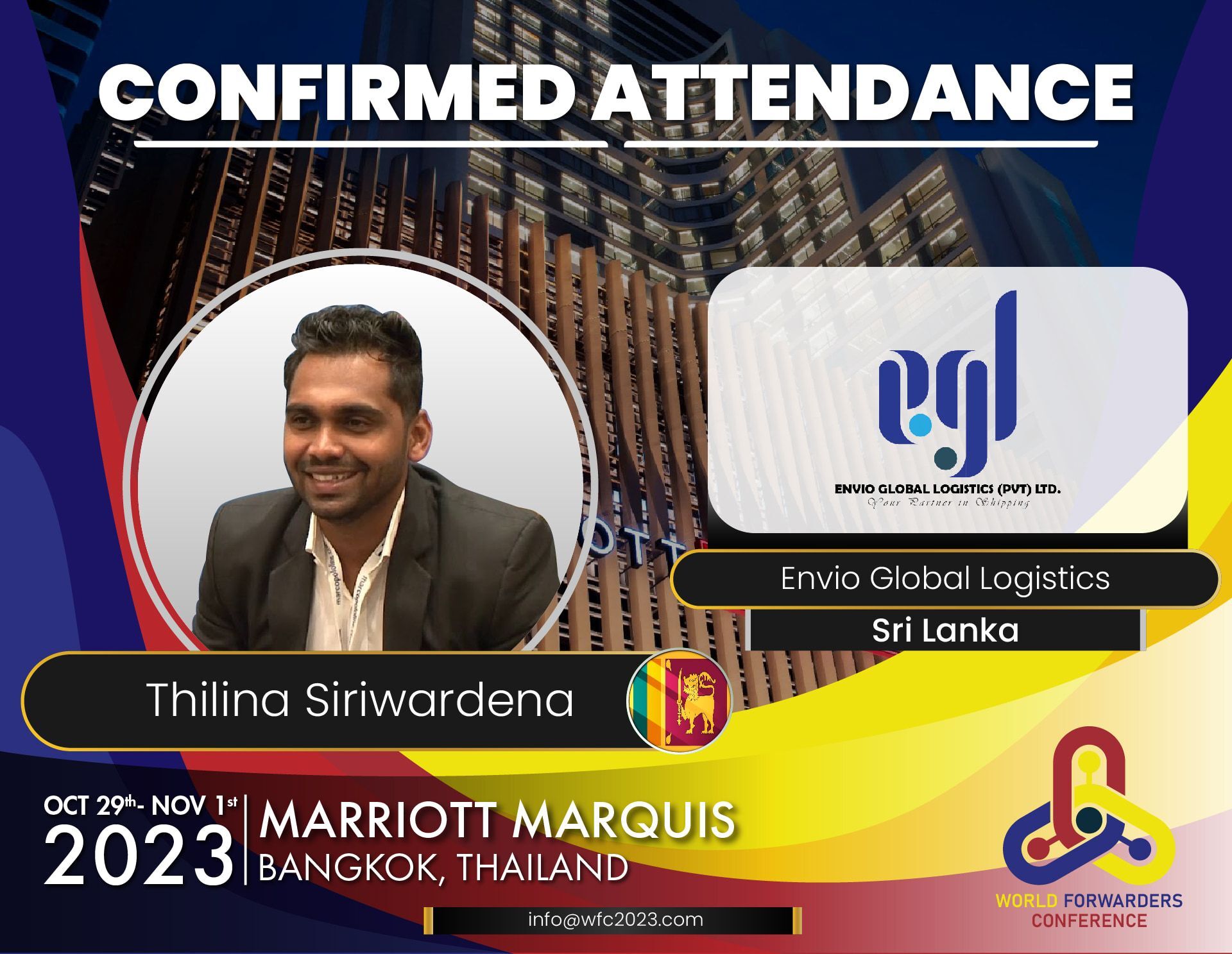

This October, our CEO, Thilina Siriwardena, will attend the 2023 World Forwarders Conference in Thailand. Envio Global Logistics (PVT) LTD is honoured to participate in this prestigious conference.